
Protecting our schools

The Case for Fire Sprinklers in Education Buildings.

The Case for Fire Sprinklers in Education Buildings

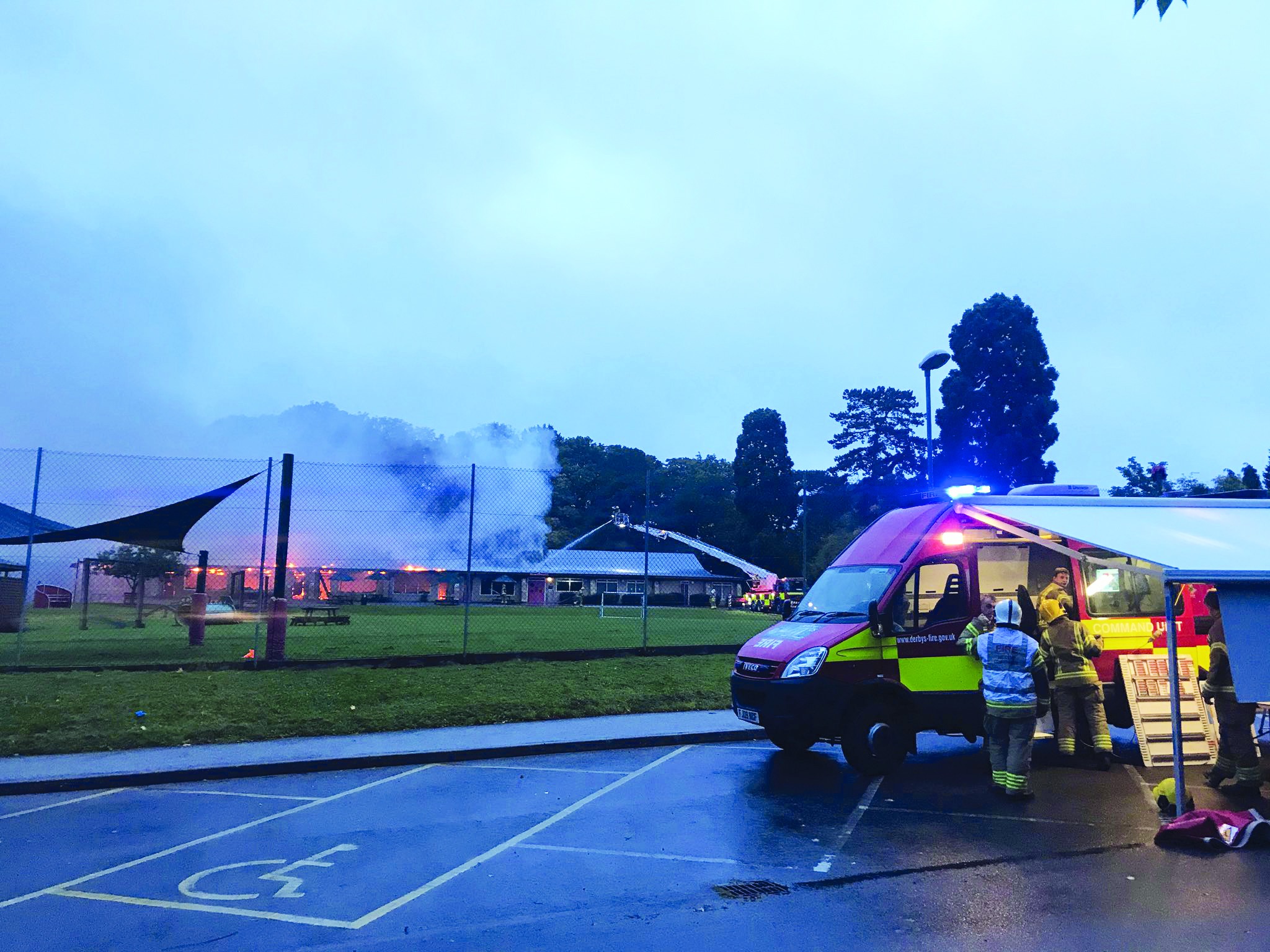
Every week in England, classrooms are lost to fire. When this happens, education stops - children are displaced, families are disrupted – and communities lose vital infrastructure. The consequences are educational, emotional and financial and they can last for years.

This webpage, briefly sets out the findings of the National Fire Sprinkler Network’s latest research - What is the Cost of Fires in Schools? It examines the true scale of school fires in England, the real financial and societal costs of those incidents and the overwhelming evidence that f ire sprinklers are a proven, cost-effective solution.

The message is clear - protecting schools with sprinklers is not an optional extra - it is a necessary investment in educational continuity, community resilience and long-term economic security.

Continuity of Education Matters

Former Schools Minister Sir Jim Knight was right to stress that children should return to education within 24 hours of any disruption. The longer a school is closed, the greater the lasting damage.

Government analysis carried out after the pandemic makes the situatioin clear. Each lost day of education is estimated to reduce a child’s future lifetime earnings by £750. When that figure is applied across an entire school, the economic consequences escalate rapidly.

In a secondary school, the loss of just one full day of education for all pupils following a fire – on top of the cost of fire damage – is enough, on economic grounds alone, to justify the cost of installing sprinklers. In a primary school, the tipping point is approximately three days.

Serious school fires frequently result in closures far exceeding those thresholds. When viewed in that context, the financial case for sprinklers becomes compelling - even before factoring in the human cost to pupils, staff and the wider community.

School Fires are Not Rare

Despite common perceptions, school fires are not unusual events:
•   Six to seven school fires occur every week in England
•   Around 350 fires per year
•   On average, one classroom is damaged per incident
•   One fire per week affects multiple classrooms

The annual probability of a fire in a school is between 1.4% and 4.0%.

Over a 30-year period, the chance of a fire occurring in a secondary school rises to approximately 70%. This is not a remote risk. It is a recurring national issue.

Officials and Executive committee

The research shows:
•   Average cost per school fire: £282,200
•   Total direct and consequential costs, equates to £126 million per year

To put this into perspective, the average UK house price in December 2023 was £285,000 (ONS).

Government’s own Risk Protection Arrangement data shows average f ire claims ranging between £240,000 and £610,000 in recent years.

These figures do not include:
•   Stress and trauma for pupils and staff
•   Loss of coursework and exam preparation
•   Displacement of vulnerable children
•   Community disruption
•   Environmental impact

The true cost is therefore considerably higher.

Sprinklers Work

Over 97%

Of school fires occurred in buildings without sprinklers.

When sprinklers were used

Where sprinklers were installed and activated:

71% of fires were extinguished
27% were controlled or contained
98% overall effectiveness

Why they work

Sprinklers prevent small incidents from becoming devastating losses and are proven to protect buildings, protect education and protect communities.

Real-World Impact

Case studies in the report from Derbyshire and SS Simon and Jude School demonstrate the real consequences of fire, such as extended closures, disruption to families and significant recovery costs.

Headteachers and fire service professionals consistently highlight the emotional toll on children and the complexity of maintaining education during rebuilding. The Covid pandemic further reinforced how damaging prolonged absence can be for children’s attainment, wellbeing and future opportunity.

The Cost-Benefit Balance

The research concludes that if the non-monetised benefits of sprinklers in a new secondary school amount to £460 per pupil per year, then the installation costs are equal to the benefits.

That figure is lower than the lost future earnings of each pupil missing just one day of school. In simple terms, it can be shown that the economics already justify sprinklers - even before accounting for safety, wellbeing and community resilience.

A Responsible Choice

Fire sprinklers are not a luxury - they are a practical, proven safeguard for lives, buildings, and communities. They act quietly and reliably, often preventing a single spark from turning into a disaster that disrupts education, threatens staff and pupils and devastates the wider community.

With regulatory scrutiny intensifying and the resilience of our schools under the spotlight, the argument for protection is no longer in doubt. Every day a school remains unprotected is a day of unnecessary risk - to children’s education, to staff and to the community hubs that schools represent.

The evidence leaves no room for doubt. The risk is real, frequent and financially significant. The solution is proven, effective and cost-efficient. Protecting schools with fire sprinklers is not just responsible - it is essential.

Latest research document

What is the Cost of Fires in Schools?